TCMS: Train Control and Management System
The EKE-Trainnet® Train Control and Management System (TCMS) provides centralised control and monitoring of all key train sub-systems.
The Train Control and Monitoring System serves as the central platform for control and coordination across the train. The system manages data exchange across every communication layer to support reliable operation. EKE‑Trainnet® integrates all control and management functions into one unified architecture that optimises the entire Train Communication Network.

Train Automation Solutions
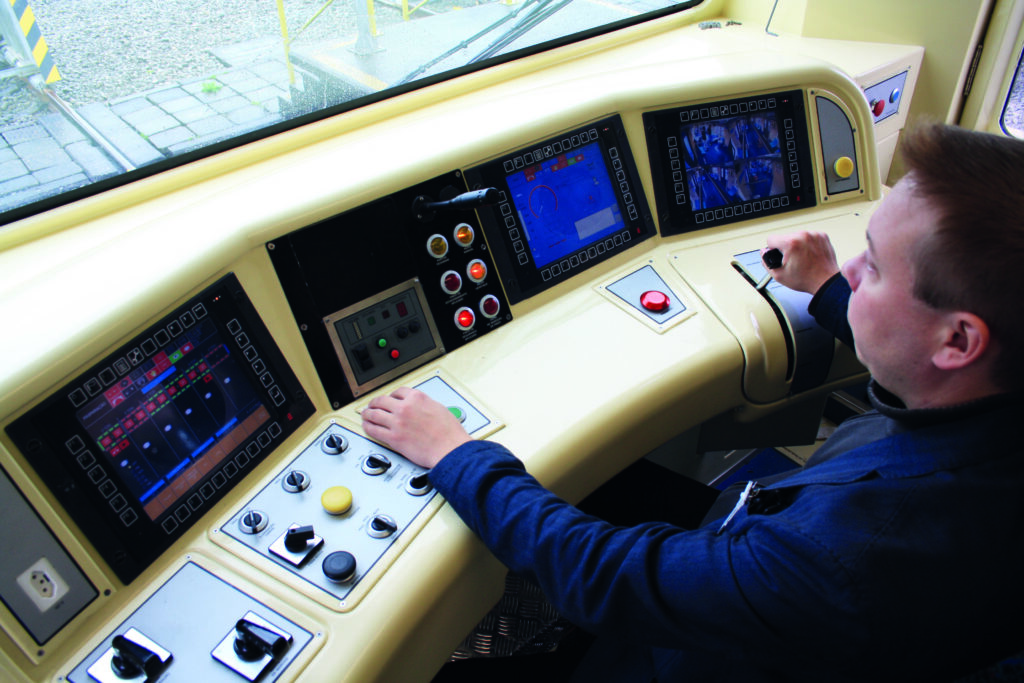
The EKE-Trainnet® TCMS enables the automation of train sub-systems by collecting, analysing, and processing data in real time.
It can issue logical commands and warnings, ensuring seamless communication between sub-systems.
Critical information is automatically shared with the train driver, train captain, remote operators, and passengers, enhancing operational efficiency and responsiveness.
Train Communication Networks (TCN)
The EKE-Trainnet® TCN is the foundation of the TCMS. It complies with the IEC 61375 Series and provides the communication layer that links every subsystem across
the train. All components exchange data through one shared network or several coordinated networks when the project requires it. This unified structure enables
centralised control and predictable system behaviour.
Cybersecurity for TCMS Solutions

CPU6000 Series
All our TCMS systems are based on our latest high-performance CPU6000 Series, providing state-of-the-art cybersecurity features and serving as the processing core of our next-generation platform.
A cryptographically verified secure-boot chain acts as a foundational security mechanism, ensuring that only trusted, manufacturer-approved software runs on a device.
MVB traffic monitoring
EKE‑Electronics provides its TCMS users with dedicated MVB traffic monitoring tools. The monitoring unit operates as a read‑only device, so the existing topology remains unchanged during data collection.
Detection capability
Our cybersecurity capabilities identify a wide range of anomalies and threats across TCMS networks. Communication patterns and irregular activity that may indicate security risks can be identified.
- Detection of communication disturbances, including devices that transmit continuously.
- Identification of cases where multiple devices respond to a single request.
- Recognition of illegal MVB devices attempting to use message data.
- Validation of data items against approved value ranges to flag invalid data.
These capabilities strengthen the protection of authorised devices and safeguard the integrity of your TCMS network.
Multiple devices monitored simultaneously
It is possible to analyse both WTB and MVB simultaneously. In addition, multiple MVBs can be monitored at the same time.
Build TCMS from the following systems
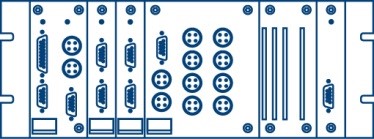
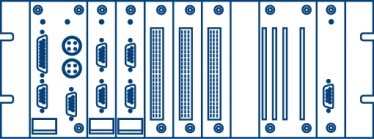
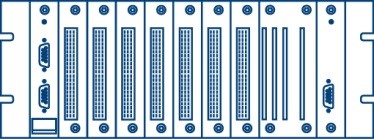
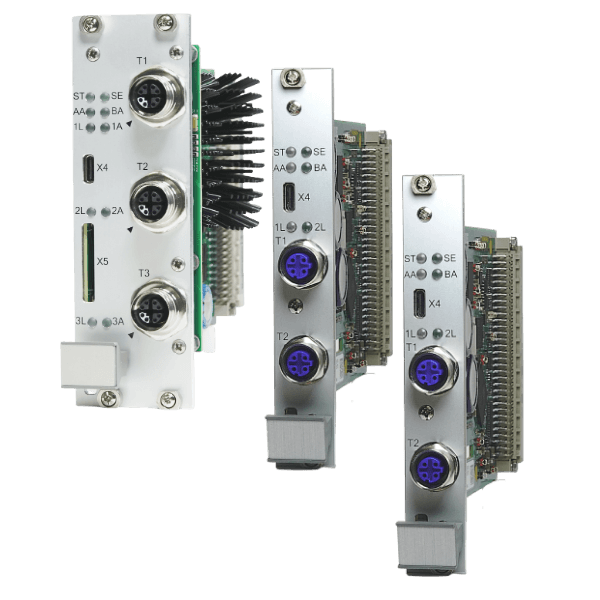
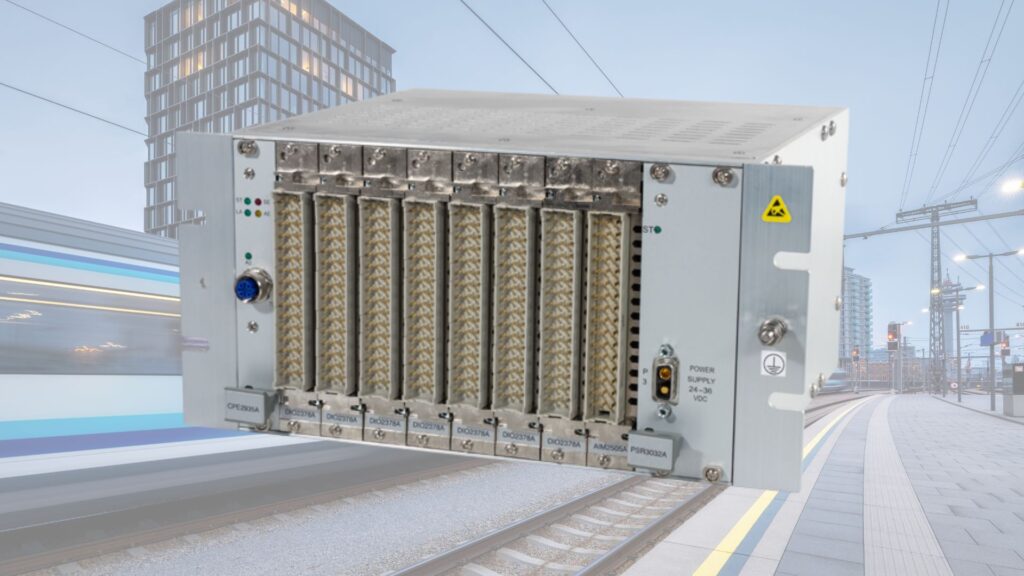
EKE-Electronics’ modular approach allows you to combine the following systems into your perfect TCMS. Each system can be built from our range of modules to meet your exact requirements. By simply selecting the interfaces you need, you make sure the system answers all your demands while being cost-efficient. Systems can be easily upgraded with additional modules as needs arise. Select an image to explore more details.


Build Your Own Applications
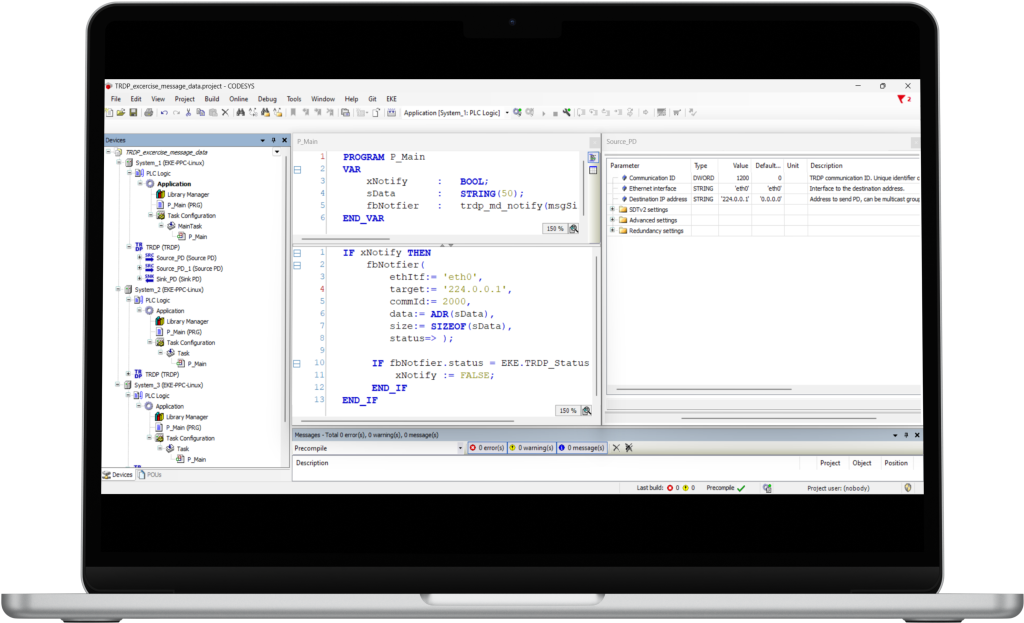
The EKE-Trainnet® TCMS is a powerful and highly flexible system built on an open-source Linux platform powered by CODESYS®. It allows you to develop custom applications and integrate third-party hardware and software seamlessly.
EKE‑Electronics supports two development approaches:
In-house development
Training, tools, and guidance are provided so your own engineering teams can build and maintain applications.
EKE-Electronics development
Our experts can develop software fully or partially on your behalf if you prefer an outsourced approach.
Why Choose EKE-Electronics for your TCMS?
The EKE-Trainnet® TCMS reflects experience gained 40 years of experience across diverse fleets and long‑term system work.
SIL 2 Development
EKE-Electronics has extensive expertise in designing and manufacturing SIL safety applications.
Our TCMS supports SIL 2 development, with many key modules already pre-certified.

Compact Solution
Several software applications can be run on a single EKE-Trainnet® computer, reducing the number of physical units.
Quality and Reliability
The outstanding quality of EKE-Trainnet® products offers high reliability, minimising the need for maintenance.
Relevant News & Blogs
- Blog post

- Blog post
- Blog post

- Blog post
Frequently Asked Questions
What does TCMS stand for?
TCMS stands for Train Control and Management System.
What is a TCMS?
It supervises, controls, and monitors onboard functions. The system acts as the train’s central nervous system. By collecting and analysing data such as speed, braking, and system status, it automates the management of key subsystems. The TCMS also issues real-time commands and warnings to operators, crew, and passengers. Remote monitoring enhances safety and operational efficiency.
What is the difference between TCMS and TMS?
TCMS stands for Train Control and Management System. It supervises, controls, and monitors onboard functions, serving as the train’s central nervous system.
TMS stands for Train Monitoring System. Unlike the TCMS, it does not control any subsystem. Instead, it monitors and reports on pre-determined parameters of the train’s operation for purposes such as condition monitoring and maintenance planning. This can include collecting, logging and monitoring the health status of the train, monitoring speed, location or energy use.
What are alternative names for TCMS?
TCMS is sometimes referred to by other names, depending on the manufacturer or region. Common alternatives include:
- MDS (Monitoring and Diagnostic System)
- DTS (Data Transmission System)
- TIMS (Train Information Management System)
- TMS (Train Management System)
- TCIS (Train Control and Information System)
While these terms may have slight differences in meaning, they generally refer to onboard control and monitoring systems for trains.
What is a Software Development Environment?
A software development environment is used to create software applications. It provides programmers with the necessary tools to write, test, debug, and deploy software efficiently.
What is Cybersecurity for TCMS?
Cybersecurity for TCMS refers to the practices, technologies, and strategies employed to protect TCMS from cyber threats and attacks. These measures safeguard the integrity, confidentiality, and availability of data and functions that support train operations.
Protection efforts focus on communication networks, software, and hardware within the TCMS architecture. Security controls prevent unauthorised access, block malware, and reduce exposure to system vulnerabilities. Strong cybersecurity helps maintain safe, reliable, and resilient train operation under normal and abnormal conditions.